If you’ve spent any time around machines in a regional New South Wales club or a Crown lounge, you’ve watched a screen freeze while symbols rearrange themselves, often without a single payline lighting up. That’s the scatter effect in action, and it’s the bit that turns a quiet spin into a free-round sequence or a random multiplier. I’ve sat through enough game tests at Aristocrat and Ainsworth to know the maths behind those moments matters more than the flash, so here’s a plain-English look at what’s actually happening when those symbols land.
When those symbols land unexpectedly, the tension ramps up until the feature round actually begins. Many players hunt for that specific mix of luck and timing before they commit more coins to the spin. You can read more about how these systems work at thepokies 85 net login bloggingunearthed.com.
What a Scatter Symbol Actually Is
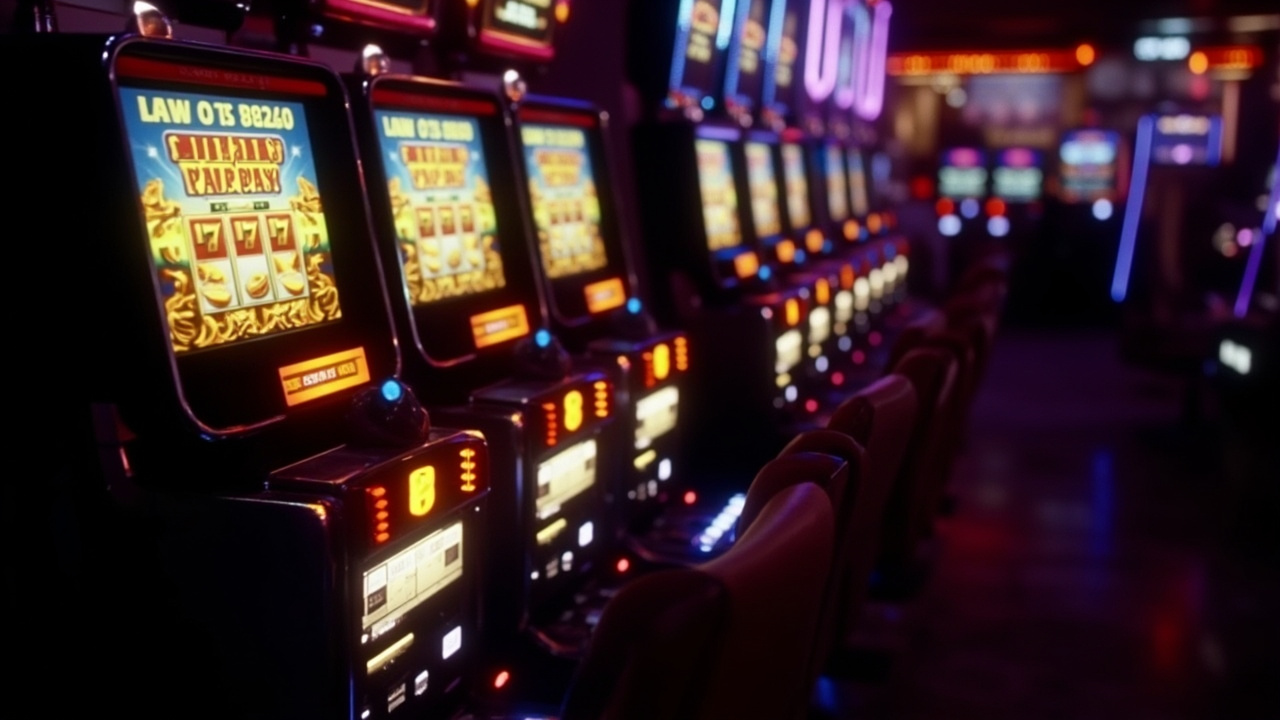
A scatter symbol is a special icon that doesn’t need to sit on a connected payline to count. In most pokie titles I’ve reviewed across TCS John Huxley cabinets and modern video screens, the scatter pays anywhere on the reels, usually in groups of three or more, and it often triggers the bonus round rather than paying a flat prize. The symbol itself is usually branded to the game – a lucky seven, a scatter fruit, or a themed object – and the paytable tells you exactly how many you need and what it unlocks. In my experience, operators like SenSen and Crown strategy teams pick scatters that read clearly on a crowded floor because a symbol that players can spot at a glance keeps the game moving without confusion.
When you’re reading a paytable, the scatter line is the one that doesn’t mention left-to-right or adjacent positions. That’s the practical difference: a regular symbol needs a sequence, while a scatter just needs a count. If you’re playing a machine with a fixed number of reels, the game still checks every position on every spin, so the symbol can appear in the top row, the bottom row, or scattered across different reels. That’s why a player can hit a bonus without lining up a single paying combination on the base game.
How Scatters Trigger Bonuses and Free Rounds
Most players meet scatters when they’re chasing a free-round sequence, and that’s where the mechanics get a bit more involved. The game usually requires a minimum number of scatter symbols on a single spin – often three – to start the feature, and the award can be a fixed set of free spins, a retrigger rule, or a multiplier attached to the round. In a practical walkthrough, a player steps into the feature like this:
- Spin the base game until three or more scatter symbols land anywhere on the reels.
- Watch the screen lock into the bonus sequence, where the game usually displays how many free spins you’ve earned and whether any special rules apply.
- Play through the free spins, noting that scatters may retrigger extra rounds or add a multiplier that applies to wins during that sequence.
- Return to the base game once the feature ends, with any remaining balance carried forward as normal.
I’ve run enough live tests at Bally Macau and on Australian floors to know the wording on the paytable is the part players skip, and that’s where mistakes happen. A scatter might pay a small amount on its own in some titles, but in others it only matters as a trigger, so the same symbol can mean two different things depending on the game. The free-spin round often carries its own scatter rule – sometimes the same symbol retriggers, sometimes it doesn’t – and that’s the detail that changes how a session feels. If you’re comparing machines, the retrigger rule and any multiplier attached to the feature are worth checking before you commit, because two games with the same number of free spins can play very differently once the feature starts.

For players who like a bit lebanditdemoau.com of structure, it helps to treat the scatter as a separate event from the base paylines. I’ve seen floor managers at regional New South Wales venues explain it this way: the base game pays for combinations, the scatter pays for access, and the two don’t always stack the way players expect. That’s a fair way to put it, and it’s the kind of explanation that keeps a session clear without overstating what any single spin can do.
Who This Fits and Who It Doesn’t
The scatter mechanic suits players who enjoy a feature round more than a steady base-game rhythm, because the excitement tends to cluster around the trigger and the free spins rather than around every individual line. If you prefer a game where every spin has a clear payline result, a scatter-heavy title can feel a bit stop-start. On the other hand, if you like the idea of a bonus sequence that can retrigger or carry a multiplier, scatters are the part of the game that makes that possible. I’ve sat in enough strategy sessions at Crown and with operators using SenSen systems to know that the right fit depends on how a player wants their attention spent – some want a calm base game with a clear bonus, others want the screen to stay active and the feature to feel like the main event.
Mobile play has made scatters easier to read for a lot of people, because the symbols are usually larger on a phone screen and the paytable is one tap away. That said, the same rules apply whether you’re on a desktop or a handset, and the game still checks the same way on every spin. If you’re logging in through a site like thepokies 85 net login, the scatter rules are the same as they are on a floor machine, so the paytable and the feature wording are still the first things worth reading before you start. Support teams at most operators can walk you through the paytable if a symbol’s behaviour isn’t obvious, and a quick check there saves a lot of confusion later.
Making Scatters Part of a Sensible Session
If you’re planning a session around scatter features, the practical move is to read the paytable first, note how many scatters trigger the bonus, and check whether the feature carries a retrigger or multiplier. That’s the part that tells you whether the game is built around frequent small triggers or less frequent larger ones. I’ve always reckoned the clearest sessions are the ones where the player knows what the scatter does before the first spin, because then the feature feels like part of the game rather than a surprise. A bit of arvo reading on the paytable beats a long session of guessing, and no worries – most titles make that info easy to find.
What’s your take on scatter-heavy pokie games – do you prefer a feature that triggers often, or one that saves up for a bigger free-spin round?
Skriv et svar